AI Disclosure: This post was written by a human, Beth Cougler Blom, and lightly edited by ChatGPT.
Earlier this summer, I offered a short workshop through my local arts council called “From Artist to Leader”. It was an art-focused workshop, but the challenge at the heart of it is one I see in almost every field: knowing how to do something and knowing how to help someone else learn it are two different things. This half-day in-person session invited artists to learn more about effective facilitation practices so they could apply them to leading art-based workshops.
It’s so common in any field for the folks who end up teaching in it to not be trained teachers—or to have had no formal training in teaching and learning at all. This is where I come in: I help people who know their subject, but haven’t necessarily been taught how to teach, recognize some of the skills they already bring to the work and help them gain new knowledge and skills to be even more effective.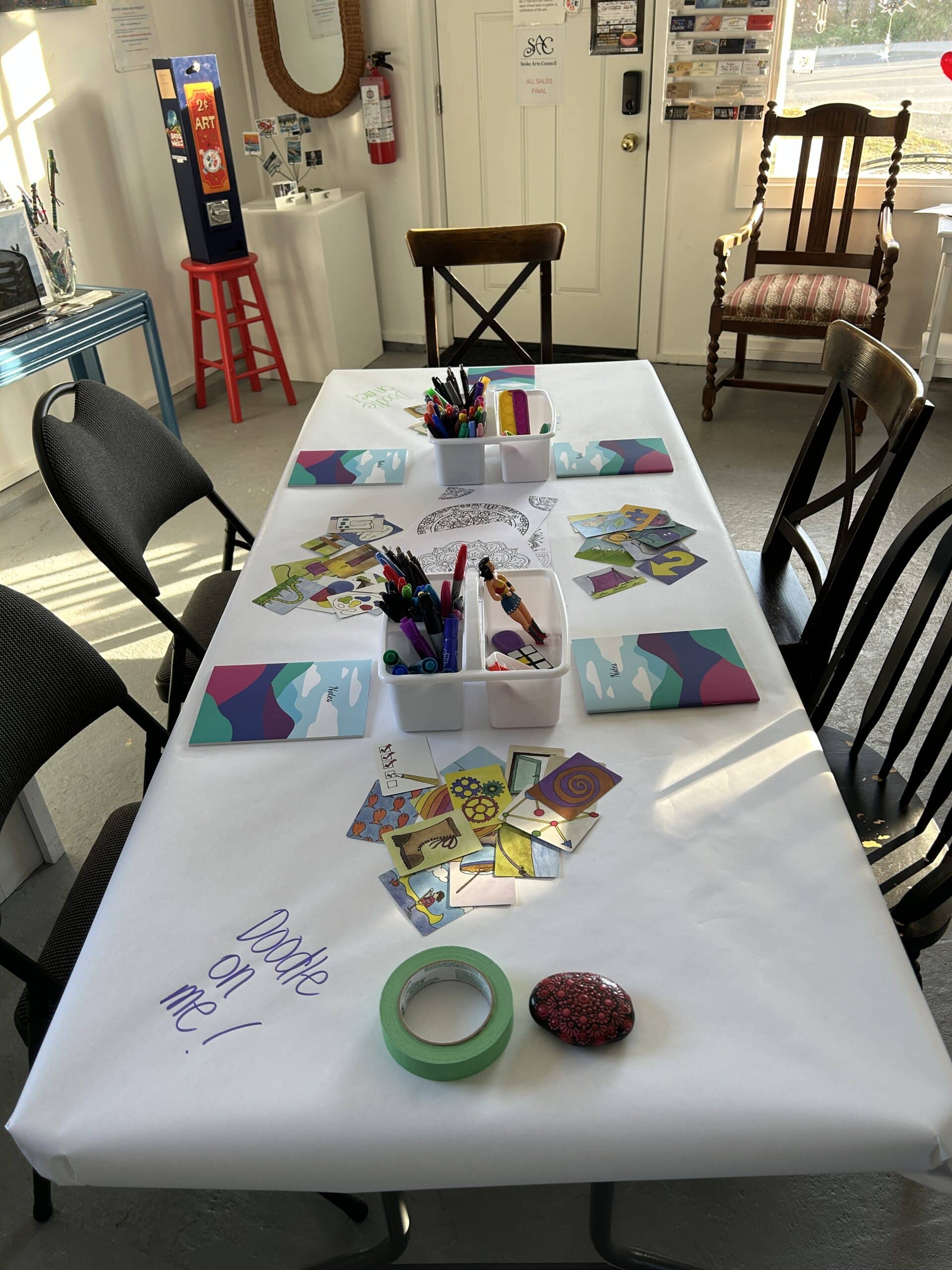
Many people turn to teaching art (or any other subject) simply because they love their art practice and they want to help others learn it too. But it’s very common for folks to experience frustrations somewhere along the way when they haven’t been formally taught how to facilitate learning.
Some of the questions people might ask themselves are:
- Am I talking too much?
- How can I get people to ask more questions?
- Is my workshop engaging?
- Could I help people learn how to do this thing more easily?
- What do I do when someone asks a question I don’t know the answer to?
- How do I get over my fear of being in front of the group?
- What if I don’t feel like I’m enough of an expert in the art practice to be able to lead this session?
- What if people challenge me about what I know?
- And so many more!
Because any one of us who decides to teach others usually asks ourselves at least some of these questions, it’s good to get together as a group and discuss them with others. And that’s why I created “From Artist to Leader”—and all the other workshops and courses I lead every year for other organizations!
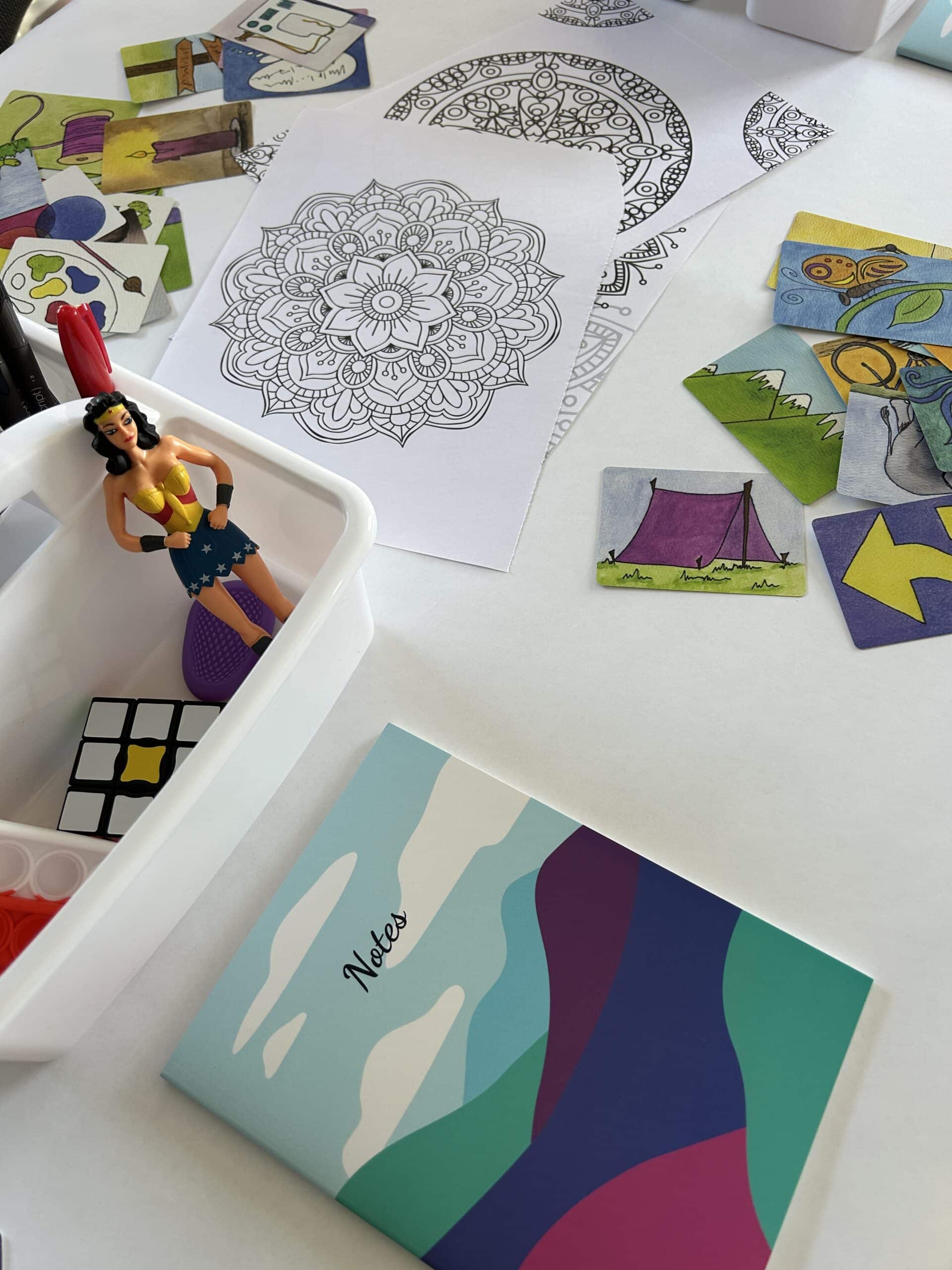
Through individual reflection, pair work, small group work, and large group discussion, the participants and I explored topics such as who art workshop participants tend to be and what they typically need, what helps people feel welcome in a workshop, how art instructors can make their workshops more inclusive and engaging, and what they can do to help participants create with more confidence.
I designed and facilitated a participatory workshop experience because, frankly, I don’t teach art—just like I don’t teach all the other subjects that people are experts in when they come to me for advice. Making the workshop participatory means everyone can learn from each other, me included. I bring what I know about education to the session and the participants bring what they know about art, along with whatever experience they may already have teaching it. My role as the workshop designer and facilitator is to help create the conditions for people to bring forward what they know and learn from each other.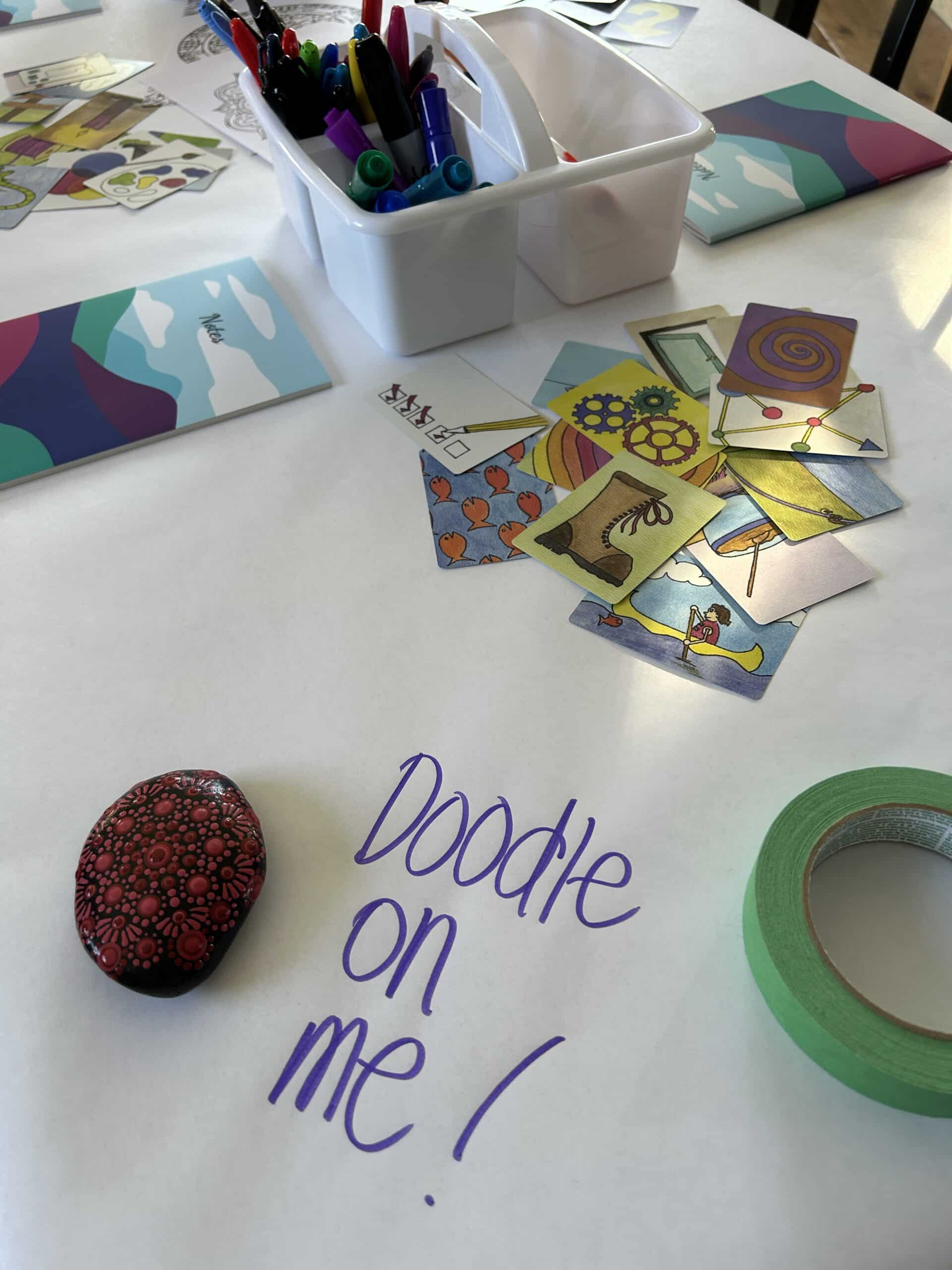
The result of the workshop was that we generated some suggested guidelines—phrased as dos and don’ts—that people could follow when leading art workshops. Here are just a few of the items we came up with:
Dos
- Create a welcoming, respectful, and supportive environment
- Be flexible and responsive
- Have clearly defined goals for the workshop
- Offer choice, autonomy, and room for self-direction
- Balance guidance with practice time
- Provide key information in writing or hard copy when useful
- Share your knowledge generously
Don’ts
- Dictate every step so tightly that people lose their own creative agency
- Talk too much or over-explain
- Rush the process
- Assume everyone learns the same way
- Forget that some participants may be nervous, new, or dealing with an inner critic
- Overload participants with too much information all at once.
People don’t necessarily need to have taken formal education or training in teaching and learning before they start teaching art workshops or any other kind of workshop. However, once they realize that doing art and teaching art are two different skill sets, it makes sense to think about how they can build their workshop facilitation skills over time. In the business of teaching and learning, we often refer to this as intentionality. We intentionally work to become better instructors/teachers/facilitators over time, recognizing both that we can never show up perfectly in the role, but that we can increasing our knowledge of how to create great learning events, one workshop at a time. And there are people like me who can help you do it!
Thanks to the participants who came out to “From Artist to Workshop Leader” to have great, supportive discussions about how to teach art workshops well. It was a pleasure to spend time with this group, and I look forward to working with more art instructors in the future!